
As a Preferred Capricorn Supplier, Capricorn Members can unlock exclusive trade discounts at Wilkinson Suspension today. Speak to a friendly staff member for more information.
As a Preferred Capricorn Supplier, Capricorn Members can unlock exclusive trade discounts at Wilkinson Suspension today. Speak to a friendly staff member for more information.













Your Ride
Perfected
At Wilkinson Suspension, we have over 30 years experience in installation, service and repair of car suspension systems.
We are an official reseller of industry-leading brands and provide suspension services for everyday vehicles, four-wheel drives and professional race cars.
Our Bayswater workshop is custom-built and equal to any suspension-related job, no matter what you’re after!
Your Ride
Perfected
At Wilkinson Suspension, we have over 30 years experience in installation, service and repair of car suspension systems.
We are an official reseller of industry-leading brands and provide suspension services for everyday vehicles, four-wheel drives and professional race cars.
Our Bayswater workshop is custom-built and equal to any suspension-related job, no matter what you’re after!
Your Ride
Perfected
At Wilkinson Suspension, we have over 30 years experience in installation, service and repair of car suspension systems.
We are an official reseller of industry-leading brands and provide suspension services for everyday vehicles, four-wheel drives and professional race cars.
Our Bayswater workshop is custom-built and equal to any suspension-related job, no matter what you’re after!
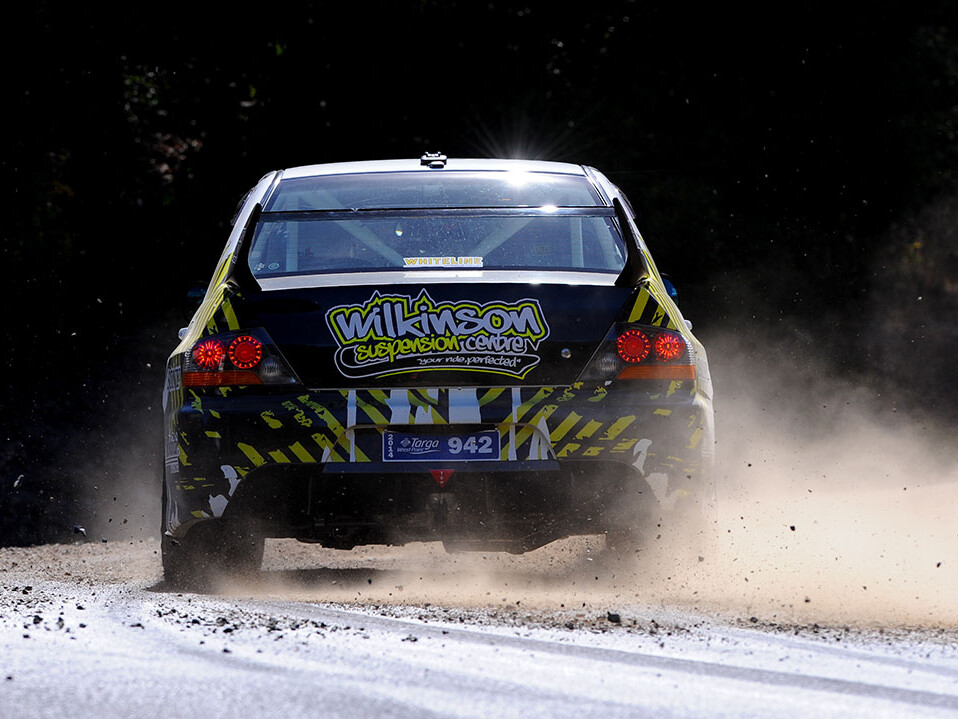
Experience matters - and we have over 35 years of it!
“ Unlike other businesses, Wilkinson Suspension has much circuit and rally experience. ”
The custom-built workshop at Wilkinson Suspension Centre is fully equipped to cater for all your suspension needs including 4-wheel-aligning utilising the latest laser technology, spring rate testing, computerised wheel balancing, spring, shock and bush installation as well as any other suspension or steering related service you may need.
4WD & Performance Suspension
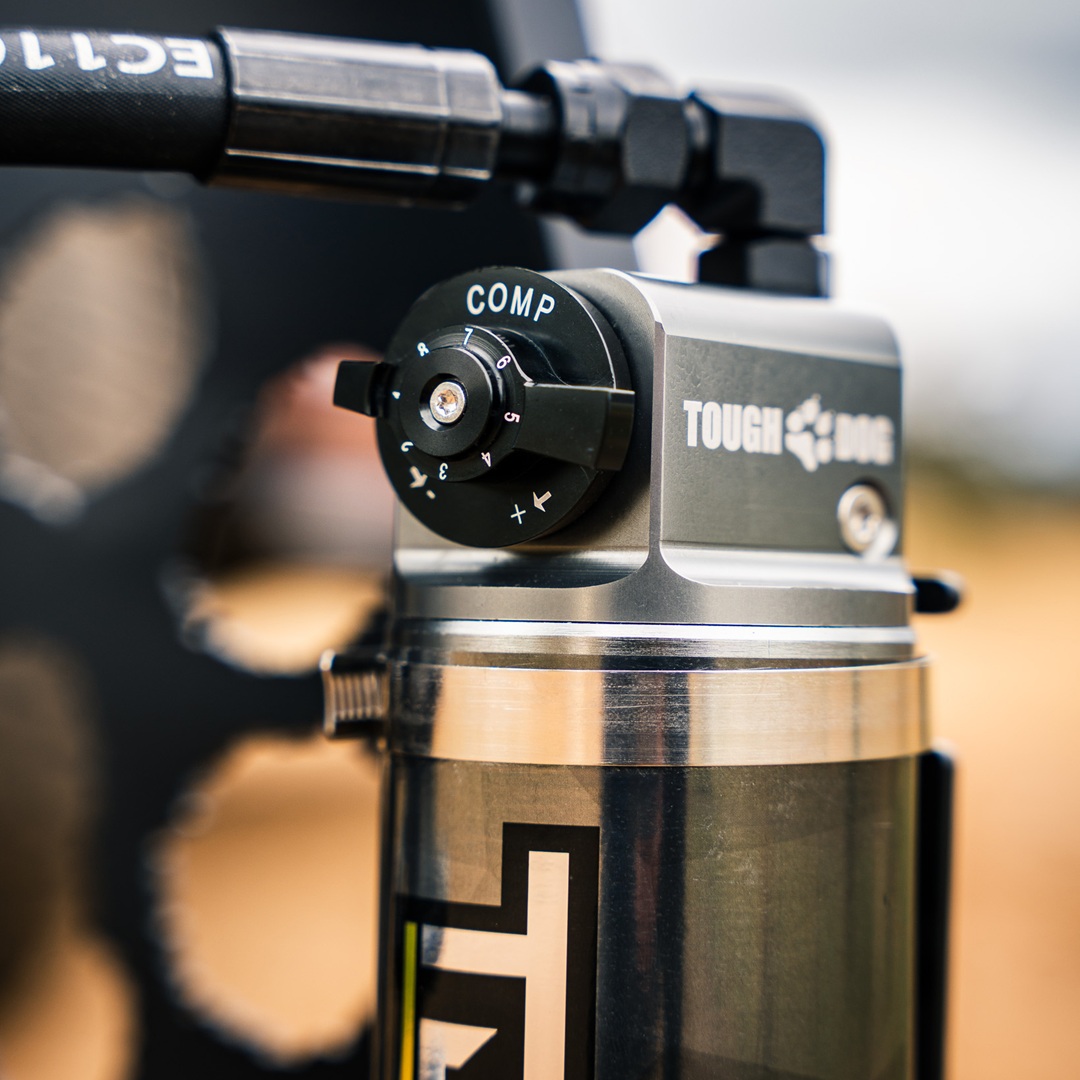
Wilkinson Suspension offers a wide range of 4WD suspension parts and lift kits, including Rancho and Tough Dog products, for all terrains. We also provide high-quality performance suspension packages for competitive and spirited driving, ensuring peak handling street, tuner or motorsport purposes.
Everyday Driving
Wilkinson Suspension Centre prioritises safety for families, offering expert advice and services like wheel alignments, tyre rotation, and suspension rebuilds to ensure vehicle control under extreme conditions. Visit our Perth workshop to find the ideal solution for your vehicle.
GVM Upgrades
Want to tow more? No problem! A GVM upgrade increases the Gross Vehicle Mass, allowing you to carry more without sacrificing performance. If your vehicle’s load exceeds the manufacturer’s limits, including passengers and equipment, a GVM upgrade is necessary to stay within legal weight limits.
Diagnose & Appraise
Wilkinson Suspension offers free steering and suspension inspections, on-the-spot quotes, accident appraisals, and repairs with an extensive inventory consisting of Australia’s leading brands. With extensive motorsport experience, we expertly diagnose and fine-tune competition vehicles for racing.
01
100% Australian
We have been Perth’s leading specialists in car and 4×4 suspension for over 35 years. We are a proud family business steeped in motorsport roots. Anyone who wants quality suspension that goes the distance knows that the team at Wilkinson Suspension Centre are the people to see.
02
Leading Brands
We stock and supply the best brands with quality you can depend on. We use both local and international products and have ensured they meet our high standards. Whether you are adventuring outdoors, hammering the tarmac at the track or simply crusing on the street – we have a solution for you.
03
Trade & Consumer Sales
Wilkinson Suspension is located in Perth, WA and provides quality suspension sales, service and installations for both consumer and trade customers. We have an extensive online store, competitive prices and can ship Australia wide.
What goes here?
Small
L x W x H = max 25,000 cm3
Medium
L x W x H = max 50,000 cm3
Large
L x W x H = max 75,000 cm3
Extra Large
L x W x H = max 100,000 cm3
Get a quote today
Trusted by customers and businesses Australia wide
4.7+
Average rating on 86 reviews
“ This team of professionals were recommended to me by several work colleagues and I found them to be excellent in every respect. They possess sound knowledge, run a well managed workshop and give solid feedback. ”
Kim Oeij
Local Guide
" Had GVM upgrade done in LC200. Great service from the first contact. Very patient (I had ALOT of questions) and informative. Made the process straight forward and stress free. Great ride 👌 and highly recommended. "
Aaron Cuthbert
Local Customer
“ Best service I've had in years. Extremely knowledgeable, friendly, helpful staff. Always a pleasure to deal with.
Thanks again for the guidance guys. Craig 👍 ”
Craig Riff R
Local Customer